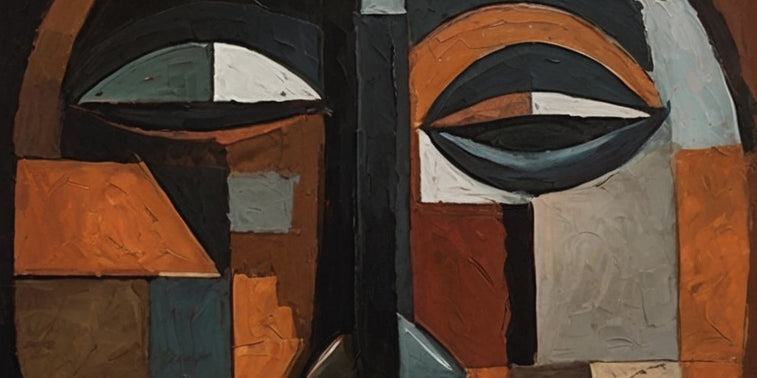
“Why is modern art so ugly?” is a blunt question, but it points to a genuine change in the history of art. Many modern and contemporary artists stopped treating beauty as the only goal. They used discomfort, absurdity and broken form to address a world that no longer felt orderly.
“Ugly” is not the same for everyone
Taste changes between people, cultures and periods. Colours and proportions rejected by one generation can later become familiar. Before dismissing a work, separate “I do not want this in my home” from “the work has no artistic logic”.
Beauty was never art’s only function
Art has served ritual, power, memory, protest, storytelling and commemoration. Even periods remembered for beauty contain violence, satire and distortion. The idea that all serious art should be pleasant is historically narrow.
The twentieth century made provocation a tool
War, industrialisation and mass media changed what artists believed traditional representation could say. Dada used absurdity to reject the logic of a society that had produced catastrophe. Later conceptual practices placed the idea, context or institutional question above conventional craft.
When the idea matters more than attractiveness
A difficult work may ask how value is created, who controls culture, what counts as an artwork or how images influence power. That does not automatically make it good. It simply means prettiness is the wrong test.
The market can make the conversation more confusing
Large auction prices attract attention to objects that may look simple or deliberately awkward. Price reflects scarcity, provenance, demand and institutional history as well as artistic quality. It is evidence of a market, not a universal aesthetic verdict.
How to distinguish provocation from emptiness
- Ask whether the material and form support the idea.
- Look for development across a body of work.
- Check whether the work rewards a second encounter.
- Read the context, then see whether the object still holds up.
- Notice whether the artist is taking a risk or repeating an easy shock.
What if you simply want beauty at home?
You are allowed to want a work that gives pleasure. A domestic interior is not an exam in art history. Beauty and innovation can coexist, especially when surface, colour, material and composition offer more than immediate decoration.
A better question
Instead of asking only “Why is this ugly?”, try: “What is this choice doing?” You may still dislike the work, but your judgement will be clearer and more useful.
For a practical framework, read seven ways to evaluate contemporary art.


Leave a comment
This site is protected by hCaptcha and the hCaptcha Privacy Policy and Terms of Service apply.